
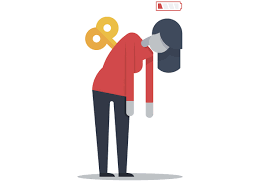
Chronic Fatigue and Chinese Medicine: an individualised approach
Feeling exhausted most of the time — even after rest — changes everything. For some people the label is myalgic encephalomyelitis / chronic fatigue syndrome (ME/CFS); for others it’s a persistent, unexplained tiredness after infection, stress or other health problems. Whatever the cause, fatigue can affect sleep, thinking, mood and daily function.
Chinese medicine (acupuncture, moxibustion, Chinese herbal medicine and gentle movement/ breathing practices) is often explored as part of a broader plan for people living with long-term fatigue. Below is a balanced summary of how practitioners typically approach fatigue, what the research shows, what to expect from care, simple self-care ideas, and direct links to the papers cited.
How Chinese medicine views fatigue
Practitioners look for patterns — clusters of symptoms such as digestion, sleep, pain, mood and energy — and tailor treatment accordingly. Common presentations seen with chronic fatigue include:
Digestive-related weakness (tiredness that worsens with exertion, poor appetite or bloating).
Tension or “constraint” patterns (fatigue with irritability, headaches or muscle tightness).
Deep reserve depletion (profound, unrefreshing fatigue; sensitivity to temperature; poor recovery).
Treatment is usually personalised and may combine acupuncture, moxibustion (targeted warming), an individualised herbal formula when appropriate, and pacing/ gentle movement (e.g., qigong). Clinical plans are adjusted over several visits rather than using a one-size-fits-all protocol.
What the research says:
Overall: evidence is promising. Several systematic reviews and some larger trials suggest benefit for some people, but many included studies are small or have methodological limits. Below are the most relevant recent papers and what they found.
A 2022 systematic review and network meta-analysis compared acupuncture and moxibustion (and combinations) with other therapies and reported that acupuncture/moxibustion approaches were associated with greater improvements in fatigue outcomes versus several comparators — though the authors cautioned that many trials were at risk of bias and higher-quality trials are needed. Europe PMC
An open-access 2017 systematic review and meta-analysis of acupuncture and moxibustion concluded these therapies may be more effective than herbal medicine, Western medicine or sham in the trials reviewed, but again highlighted study quality limitations and the need for more rigorous research. BioMed Central
A 2022 systematic review and meta-analysis specifically focused on Chinese herbal medicine (84 RCTs, ~6,944 participants) reported that certain herbal formulas were associated with reductions in fatigue and related symptoms — but the studies were heterogeneous and many had risk of bias, so conclusions are cautious. Frontiers+1
A randomised controlled trial of ginger-indirect moxibustion plus acupuncture (n ≈ 290) found that adding indirect moxa with ginger to acupuncture produced larger improvements on several fatigue measures than acupuncture alone over an 8-week treatment period (with follow-up). Individual RCTs like this are useful but require replication and careful interpretation. Journal TCM+1
For cancer-related fatigue (a different clinical situation), recent systematic reviews and network meta-analyses suggest acupuncture modalities can reduce fatigue and improve sleep in cancer survivors — this provides additional evidence that acupuncture may be a supportive symptom-management option in fatigue states, while recognising different causes and contexts. Frontiers
Takeaway: multiple systematic reviews point to potential benefits from acupuncture, moxibustion and some herbal formulas, but the overall certainty of evidence is limited by study quality and heterogeneity. These therapies may be considered as part of a broader, individualised plan rather than as single, guaranteed fixes. Europe PMCBioMed CentralFrontiers+1Journal TCM
What a typical care pathway looks like:
Initial assessment — a detailed history covering fatigue pattern, sleep, mood, digestion, medications, tests and red flags.
Coordination with medical care — ensuring other causes (iron/thyroid/B12/sleep apnoea, active infection, cardiac/respiratory issues, mood disorders) are considered by your GP or specialist.
Individualised treatment plan — may include:
Acupuncture sessions (often weekly initially, then tapered).
Moxibustion where appropriate (e.g., ginger indirect moxa in some protocols).
A personalised herbal prescription when suitable, with attention to interactions.
Pacing and gentle movement guidance (education to avoid “push–crash” cycles).
Review and adjustment — progress is monitored and the plan altered based on response and safety.
Clinicians set realistic goals such as steadier daily energy, improved sleep or better recovery after activity, rather than immediate “cures.”
Simple self-care strategies that often help
Pacing: break tasks into smaller steps; rest before you hit a crash.
Short, gentle movement: 5–10 minutes of slow range-of-motion, tai chi or qigong can support circulation without large energy cost.
Sleep routine: consistent wake time, morning light exposure, wind-down ritual.
Nutrition basics: regular balanced meals, small protein portions, hydration.
Track trends: a simple diary (energy, sleep, activity) helps you and your clinicians tune care.
If you want to explore this approach
Ask for a full assessment and a clear plan that includes safety checks for herbs and coordination with your GP.
Aim for realistic, measurable goals (e.g., steady 10–20% improvement in energy over 8–12 weeks, better sleep continuity), and expect to review progress.
- If you’re curious about how Chinese medicine may support your energy and wellbeing, you’re welcome to book a consultation with our team.
Selected studies & direct links
Fang, Y., Yue, B.-W., Ma, H.-B., & Yuan, Y.-P. (2022). Acupuncture and moxibustion for chronic fatigue syndrome: A systematic review and network meta-analysis. Medicine, 101(31), e29310. DOI:10.1097/MD.0000000000029310. (Publisher/abstract / repository page). Europe PMC
Link: https://doi.org/10.1097/MD.0000000000029310 — (summary & full citation record on Europe PMC). Europe PMCWang, T., Xu, C., Pan, K., & Xiong, H. (2017). Acupuncture and moxibustion for chronic fatigue syndrome in traditional Chinese medicine: a systematic review and meta-analysis. BMC Complementary and Alternative Medicine, 17, 163. DOI:10.1186/s12906-017-1647-x. Open access. BioMed Central
Link (full text): https://bmccomplementmedtherapies.biomedcentral.com/articles/10.1186/s12906-017-1647-x. BioMed CentralZhang, Y., Jin, F., Wei, X., Jin, Q., Xie, J., Pan, Y., & Shen, W. (2022). Chinese herbal medicine for the treatment of chronic fatigue syndrome: A systematic review and meta-analysis. Frontiers in Pharmacology, Volume 13, Article 958005. DOI:10.3389/fphar.2022.958005. Open access. Frontiers+1
Link (full text): https://www.frontiersin.org/articles/10.3389/fphar.2022.958005/full. FrontiersMa, T., Wu, J., Yang, L., et al. (2022). Ginger-indirect moxibustion plus acupuncture versus acupuncture alone for chronic fatigue syndrome: a randomized controlled trial. Journal of Traditional Chinese Medicine, 42(2), 242–249. DOI:10.19852/j.cnki.jtcm.20210220.001. (Article PDF on the journal site.) Journal TCM+1
Link (PDF): https://journaltcm.cn/EN/article/downloadArticleFile.do?attachType=PDF&id=6815. Journal TCMTian, H., Chen, Y., Sun, M., et al. (2023). Acupuncture therapies for cancer-related fatigue: A Bayesian network meta-analysis and systematic review. Frontiers in Oncology, 13:1071326. DOI:10.3389/fonc.2023.1071326. (Open access review summarising RCTs in cancer-related fatigue.) Frontiers
Link (full text): https://www.frontiersin.org/articles/10.3389/fonc.2023.1071326/full