
Supraspinatus Tear, Pysiotherapy and Acupuncture: A Natural Approach to Shoulder Recovery
Shoulder pain that stops you from lifting your arm or reaching behind your back can be frustrating — especially if it lingers for weeks or months. One common cause is a supraspinatus tear, a type of rotator cuff injury that affects the stability and movement of your shoulder.
In this article, we’ll look at what a supraspinatus tear is, how it affects your daily life, and how acupuncture and Chinese medicine can support recovery alongside physiotherapy and exercise.
What Is a Supraspinatus Tear?
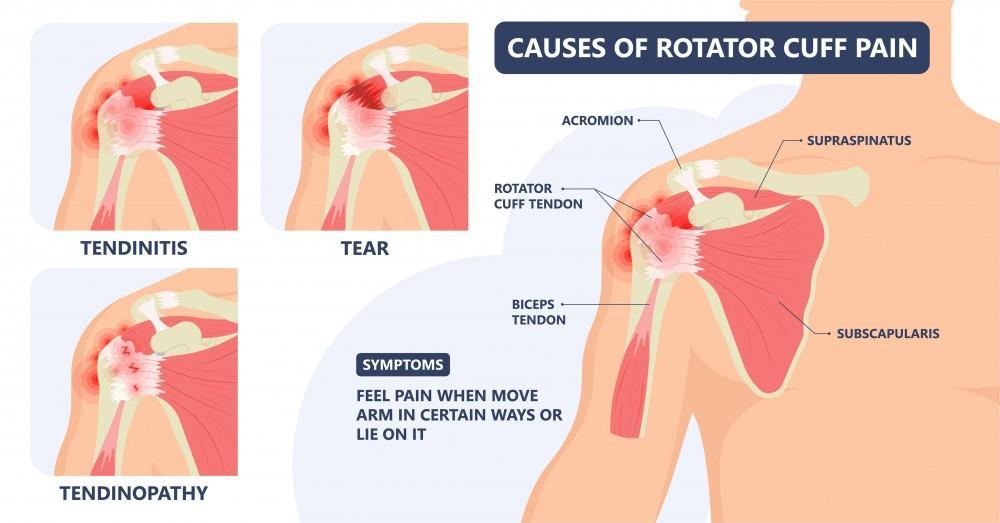
The supraspinatus muscle is one of the four muscles of the rotator cuff that stabilise and move the shoulder joint. It sits at the top of the shoulder blade (scapula) and helps lift your arm sideways (abduction).
A tear in the supraspinatus tendon can be:
Partial: Some fibres are damaged but the tendon remains attached.
Full thickness: The tendon fully separates from the bone.
Common causes include:
Repetitive overhead use (painting, swimming, tennis)
Age-related wear and tear
Poor posture or shoulder mechanics
Sudden trauma (such as a fall or heavy lift)
Typical symptoms:
Shoulder pain, especially when lifting or reaching overhead
Weakness or stiffness
Pain when lying on the affected side
Difficulty performing daily tasks like dressing or washing hair
Supraspinatus tears are very common — studies suggest up to 25% of people over 50 have some degree of rotator cuff tear, even if it’s not always painful.
Conventional Treatment Options
Depending on the severity, treatment may involve:
Rest and activity modification to prevent further strain
Physiotherapy to improve movement, strength, and posture
Anti-inflammatory medication or corticosteroid injections
Surgery (for large or unhealing full tears)
However, many people benefit from conservative care — a combination of physiotherapy and acupuncture — especially for partial or degenerative tears.
How Acupuncture Can Help a Supraspinatus Tear
Acupuncture, a key component of Traditional Chinese Medicine (TCM), works by stimulating specific points to restore balance, relieve pain, and enhance circulation.
From a modern medical perspective, acupuncture has been shown to:
Reduce pain by triggering endorphin and serotonin release
Improve blood flow and nutrient delivery to the injured tendon
Reduce inflammation and muscle guarding
Enhance shoulder mobility so rehab exercises can be performed more effectively
In TCM terms, shoulder injuries like supraspinatus tears are often related to:
Qi and Blood stagnation (poor circulation causing pain)
Wind-Cold-Damp obstruction (stiffness and ache in chronic cases)
Liver and Kidney deficiency (weakened tendons and ligaments over time)
Treatment is aimed at moving Qi and Blood, relieving pain, and supporting tissue healing.
What the Research Says
Recent studies have supported acupuncture as a helpful adjunct to conventional therapy:
A 2021 meta-analysis found that acupuncture (alone or combined with physiotherapy) improved pain, range of motion, and function in rotator cuff conditions compared with other treatments — particularly in the short- to medium-term.
(Medicine (Baltimore), 2021;100(1):e23788)A 2024 clinical trial on shoulder impingement showed that manual acupuncture significantly reduced pain and improved movement in the supraspinatus region.
(Medicine (Baltimore), 2024;103(9):e32011)Electroacupuncture combined with rehabilitation has been shown to enhance functional recovery and patient satisfaction in rotator cuff injuries.
(Frontiers in Physiology, 2023;14:11235512)
These findings suggest that acupuncture can be a safe and effective complement to physiotherapy — especially for pain reduction and mobility restoration.
How We Treat Supraspinatus Tears in Clinic
At our acupuncture and physiotherapy clinic, we take an integrated approach that combines traditional techniques with modern rehabilitation.
1. Accurate Assessment
We identify whether the tear is acute or chronic, partial or full, and assess related factors like posture, muscle imbalance, and movement patterns.
2. Acupuncture Treatment
Local points near the supraspinatus tendon and scapular area (often Ashi or trigger points)
Common distal points: LI15, SJ14, LI4, GB21
Techniques may include electroacupuncture for improved stimulation
Focus on promoting blood flow, relieving spasm, and reducing inflammation
3. Physiotherapy & Exercise
Early phase: gentle range of motion and mobility work
Later phase: progressive strengthening of the rotator cuff and scapular stabilisers
Postural retraining and ergonomic advice to prevent recurrence
4. Lifestyle & Maintenance
We guide patients on sleep positioning, work modifications, and ongoing exercise routines to maintain shoulder health.
Expected Results
Patients often notice:
Less shoulder pain after 3–5 acupuncture sessions
Improved range of motion and reduced stiffness
Better strength and confidence in shoulder function
While acupuncture doesn’t “repair” a torn tendon by itself, it plays a key role in reducing pain, improving movement, and supporting natural recovery — making physiotherapy more effective.
When to Seek Help
If you’ve had shoulder pain for more than a few weeks, or if it’s limiting your daily activities, it’s worth having a proper assessment. Early treatment often prevents chronic stiffness and further tendon damage.
Takeaway Message
A supraspinatus tear can be painful and limiting — but it doesn’t always mean surgery.
By combining acupuncture and physiotherapy, we can help reduce pain, improve shoulder function, and support a smoother recovery process.
Whether your injury is from sports, work, or daily wear and tear, an integrated care plan can get you moving again — safely and naturally.