
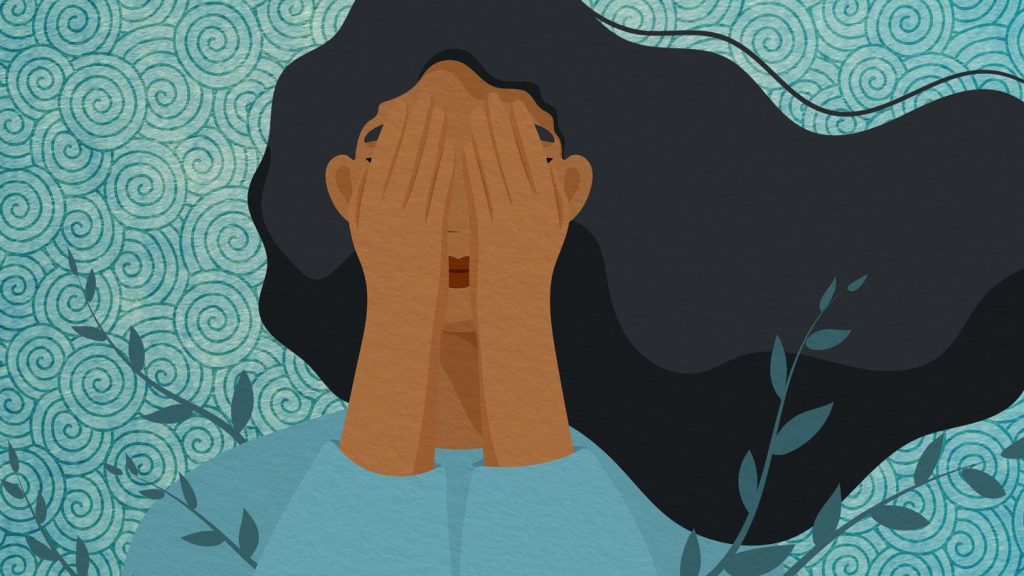
How Chinese Medicine, Kampo and Acupuncture Can Support People With Depression
A gentler way to support mood
Depression affects many people and often shows up alongside stress, fatigue, sleep problems, digestive issues or hormonal changes. In Chinese medicine and Kampo, the mind and body are treated as one unit, so mood care always includes the whole person.
Many people use acupuncture and herbal medicine alongside their usual medical care. Research is growing, and while these therapies aren’t a replacement for antidepressants or therapy, they can often help reduce symptoms and improve overall wellbeing.
What the research says in simple terms
Acupuncture
Recent reviews of clinical trials have found that acupuncture can reduce depressive symptoms, especially when added to standard medical treatment. Many patients also report better sleep, less anxiety and reduced physical tension.
Chinese herbal medicine (TCM)
Studies and meta-analyses show that some Chinese herbal formulas can improve mood scores compared with placebo or when added to antidepressants. The exact formula depends on your individual pattern, not just the diagnosis of “depression.”
Kampo (Japanese herbal medicine)
Kampo formulas are very similar to many classic Chinese formulas, just standardized and widely used in Japanese hospitals. Several Kampo formulas have research behind them showing benefits for mood, stress and sleep.
Matching Kampo and TCM formulas (patient-friendly)
Here are some commonly used formulas for mood support, with their closest TCM equivalents:
🌿 Kamishoyosan (KSS)
Kampo name: Kamishoyosan
TCM equivalent: Jia Wei Xiao Yao San (Augmented Free & Easy Wanderer)
Helps with: irritability, mood swings, PMS-related mood symptoms, stress with heat signs.
Why it’s used: very commonly in both Japan and TCM practice for “Liver Qi stagnation with heat,” a pattern often seen in stress-related mood changes.
🌿 Yokukansan
Kampo name: Yokukansan
TCM root formula: based on Yi Gan San (Restrain the Liver Powder)
Helps with: agitation, restlessness, irritability, emotional tension and sleep difficulties.
Why it’s used: has research in Japan for behavioural symptoms and is sometimes used clinically for mood instability.
🌿 Kososan
Kampo name: Kososan
TCM equivalent: closest to Xiang Su San or similar harmonising formulas that settle mood and digestion.
Helps with: stress-related digestive issues, mood tension, emotional upset affecting appetite.
Why it’s used: often chosen when stress hits the gut and creates emotional and physical discomfort.
🌿 Ninjin’yoeito
Kampo name: Ninjin’yoeito
TCM equivalent: similar to Ren Shen Yang Rong Tang
Helps with: fatigue, low energy, weakness, post-illness or burnout-type depression.
Why it’s used: supports energy, digestion and resilience, often helpful when mood issues come with chronic fatigue.
How these treatments may help (in everyday language)
Research suggests these therapies can support mood by:
Balancing brain chemistry — influencing serotonin, dopamine and other mood-related messengers
Lowering inflammation that may contribute to low mood
Improving stress resilience by regulating the body’s stress hormones
Supporting sleep and digestion, which strongly affect emotional wellbeing
Improving energy and circulation, helping people feel more grounded and stable
Patients often describe feeling “lighter,” calmer, more balanced, or simply more able to cope with daily life.
What a treatment plan might look like
A typical combined approach may include:
Acupuncture once or twice weekly in the beginning
A personalised herbal formula — either TCM or Kampo, chosen based on your individual pattern
Lifestyle guidance using gentle food, sleep and stress-management strategies
Working alongside your GP or mental health practitioner so everything stays safe and coordinated
You should never stop antidepressants or change medication doses without speaking to your doctor. Herbal medicines can interact with medications, so communication is key.
When these therapies are especially useful
People often benefit when depression is linked with:
stress or emotional tension
hormone-related changes
digestive issues or appetite changes
chronic fatigue or burnout
sleep problems
emotional sensitivity or irritability
Chinese medicine views all of these as meaningful clues that help tailor treatment.
A supportive, whole-person approach
Chinese medicine, Kampo and acupuncture offer a gentle, holistic way to support people experiencing depression. They’re not a replacement for medical or psychological care, but they can be powerful companions to it — helping patients feel more balanced, grounded and resilient.
If you have any further questions, or interested to see how Chinese medicine and acupuncture can help you, give us a call at Centre of Health Ivanhoe, and one of our experienced practitioneres will get back to you straight away. (03) 9441 0088