
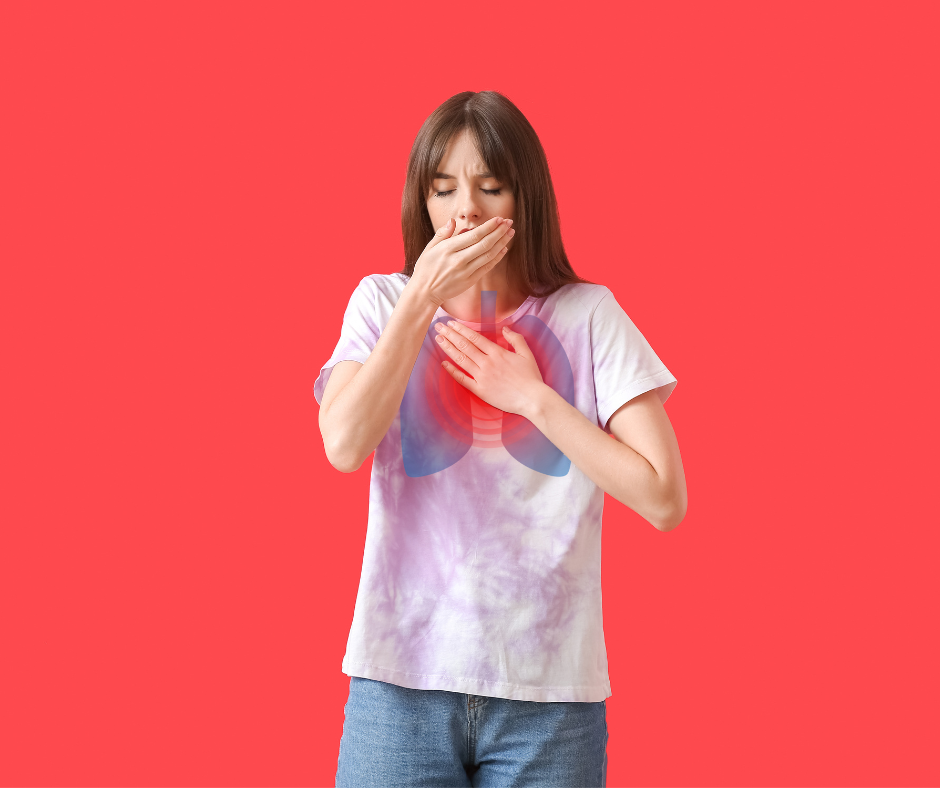
Post-Viral Dry Cough: Practical Tips and How Acupuncture May Help
Centre of Health Ivanhoe
A dry, lingering cough after a cold, flu, or COVID infection is incredibly common — and often frustrating. You may feel well otherwise, yet the cough keeps returning, particularly at night or when talking, laughing, or breathing cold air.
This is known as a post-viral dry cough, and recovery usually involves soothing irritation and calming the nervous system, rather than treating an active infection.
Why Does a Dry Cough Linger?
After a respiratory virus, the lining of the airways can remain sensitive and reactive, even once the infection has resolved. The cough reflex becomes over-responsive, meaning small triggers can provoke coughing.
Common triggers include:
Dry or cold air
Talking or laughing
Fatigue or poor sleep
Stress or nervous system overload
Lying flat at night
Practical At-Home Tips for a Lingering Dry Cough
These strategies aim to reduce irritation and support natural healing while the airways settle.
 Lemon and Honey
A simple, time-honoured remedy.
Honey helps coat and soothe the throat
Lemon stimulates saliva and reduces irritation
How to use:
Warm (not boiling) water + fresh lemon juice + 1–2 teaspoons of honey, taken 2–3 times daily.
Honey should not be given to children under 12 months.
 Stay Well Hydrated
Dry airways are more easily irritated.
Sip water regularly throughout the day
Warm drinks (herbal teas, broths) are often more soothing than cold beverages
 Raise Your Pillow at Night
Lying flat can worsen coughing due to throat dryness or reflux.
Slightly elevate your head and chest
An extra pillow or wedge can help reduce night-time coughing
 Humidity: Getting the Balance Right
Indoor air quality plays a significant role in post-viral cough — but the right solution depends on your environment.
In dry weather or heated indoor spaces:
A humidifier can help add moisture to the air, reducing throat and airway dryness that may trigger coughing.In damp climates or homes with moisture issues:
A dehumidifier may be more helpful. Excess moisture can irritate the airways, worsen cough sensitivity, and encourage mould, all of which may prolong symptoms.
A simple guide:
Dry air → humidifier
Damp or musty air → dehumidifier
Aim for a comfortable indoor humidity level, particularly in the bedroom at night.
 Reduce Airway Irritants
Limit exposure to:
Smoke or vaping
Strong perfumes or cleaning chemicals
Cold air directly on the face
In cold weather, wearing a scarf over the mouth and nose can help warm inhaled air.
 Support Your Nervous System
Stress and fatigue can heighten cough sensitivity.
Gentle breathing exercises
Light movement such as walking
Prioritising rest and recovery
Even after the virus has passed, your body may still need time to fully settle.
How Acupuncture May Help a Post-Viral Dry Cough
Acupuncture is commonly used as a supportive therapy when a cough lingers after illness.
It may help by:
Calming an over-sensitive cough reflex
Supporting parasympathetic (“rest and digest”) nervous system activity
Reducing chest and throat tension
Improving sleep quality
Many people notice their cough becomes less frequent, less intense, or less easily triggered over a course of treatment.
Common Acupuncture Points Used (Individualised)
Treatment is always tailored, but points commonly considered for dry, lingering cough may include:
LU7 (Lieque) – often used for throat and airway sensitivity
LU5 (Chize) – traditionally used when irritation or dryness is present
REN17 (Shanzhong) – supports chest comfort and breathing
REN22 (Tiantu) – often used for throat tightness and cough reflex sensitivity
ST36 (Zusanli) – supports recovery and general vitality
A Traditional Chinese Medicine Perspective (Simple Explanation)
In Traditional Chinese Medicine (TCM), a dry post-viral cough is often viewed as residual dryness or weakness following illness, rather than an ongoing infection.
Care focuses on:
Moistening dryness
Settling irritation
Supporting the body’s recovery phase
This aligns closely with modern recommendations around hydration, rest, and gradual return to balance.
When to See Your GP
Always seek medical advice if you experience:
Fever, chest pain, or breathlessness
Coughing up blood
Unexplained weight loss
A cough lasting longer than 8 weeks
Acupuncture is used alongside medical care, not as a substitute.
Supportive Care in Ivanhoe
At Centre of Health Ivanhoe, we offer acupuncture as part of a gentle, evidence-informed approach to post-viral recovery, particularly when symptoms linger and affect sleep or quality of life.
If a dry cough is slow to resolve, supportive care may help your body settle and recover more fully.
Centre of Health Ivanhoe, 201 Banksia St, Ivanhoe. Ph (03) 9441 0088