
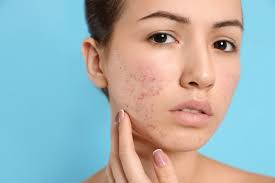
Acne: How Acupuncture & Chinese Herbs Can Help
Acne (Acne vulgaris) is a common skin-condition affecting teenagers and adults alike. Apart from the physical impact of pimples, pustules and nodules, it often carries emotional stress and lowers self-esteem. While conventional treatments (topical agents, antibiotics, retinoids) are effective, many patients seek complementary support.
At our clinic, we combine acupuncture and Chinese herbal medicine to support acne care — helping reduce inflammation, regulate skin function and promote clearer, healthier skin.
How the TCM Approach Works
In Traditional Chinese Medicine (TCM), acne is often seen as arising from patterns such as:
Damp-heat in the skin (red, inflamed, pus-filled lesions)
Qi stagnation and blood heat (stress, emotional triggers, hormonal shifts)
Deficiency of Spleen or Lung systems (poor digestion/clearance, internal-external connection)
Treatment aims to: clear heat & dampness, calm the skin from within, regulate hormones and circulation, and support the skin’s healing environment.
What the Research Shows
Here are some key findings:
A systematic review found that acupuncture (body and electroacupuncture) for acne achieved similar rates of ≥30% and ≥50% improvement in lesion counts compared to pharmacotherapy in some trials. (PubMed)
Another review of Chinese herbal medicine found that herbal treatments (oral or topical) significantly reduced inflammatory and non-inflammatory acne lesions in many trials. (PMC)
A database study evaluated national prescriptions of Chinese herbal medicine for acne and identified core herbs/formulas commonly used. (PubMed)
What the Treatment Might Look Like
In our clinic, a typical integrative acne support plan may include:
Acupuncture sessions: targeting points related to clearing heat, regulating hormones, improving circulation and supporting skin repair (for example, points on the face/body, auricular points).
Herbal medicine: a tailored formula based on your skin-pattern (eg. damp-heat, blood stagnation, deficiency) — we often include herbs with anti-inflammatory, antimicrobial and skin-regulating properties.
Lifestyle & skin-care advice: hydration, diet (reducing refined sugar/high glycaemic load foods), stress-management, skin hygiene, and identifying triggers (hormonal changes, diet, sleep).
Monitoring & support: tracking changes in lesion count/severity, skin texture, psychosocial impact (confidence, self-image).
Many patients report clearer skin, fewer new lesions, and improved quality of life when combining acupuncture + herbal support with conventional skin care.
Important Safety & Referral Notes
Always ensure you have a diagnosis (especially if acne is severe, nodulocystic, or scarring) and that your skin-specialist/dermatologist is involved if needed.
Acupuncture is generally safe when performed by a trained practitioner.
Herbal medicine should be prescribed by a qualified practitioner — especially if you are on other medications, pregnant, or have other health conditions.
Acne with sudden onset of severe nodules, cysts, scarring or systemic signs should be referred for dermatological assessment.
In Summary
Acne affects more than just the skin — it affects wellbeing, self-confidence, social life and skin health. While conventional treatments remain central, adding acupuncture and Chinese herbal medicine offers a natural, evidence-supported complement to support clearer skin, reduce inflammation and improve quality of life. If you’re looking for an integrative approach to acne, our clinic can support you with tailored acupuncture, herbal plans and skin-care guidance.