
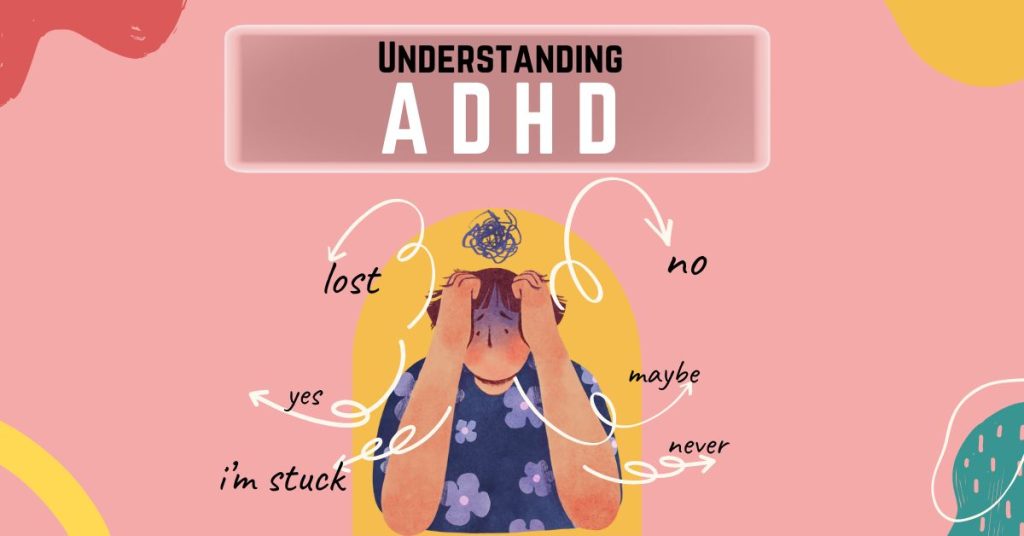
Acupuncture and Herbal Medicine for ADHD in Children – What the Research Shows
Attention-Deficit/Hyperactivity Disorder (ADHD) is one of the most common behavioural and developmental conditions in children. While standard treatments such as behavioural therapy and medication remain central, acupuncture and Chinese herbal medicine have also been studied as supportive therapies. Here’s a look at the formulas and acupuncture approaches with published evidence.
Acupuncture for ADHD: What Studies Support
Several clinical trials — mostly from East Asia — have explored acupuncture for children with ADHD:
Systematic reviews show acupuncture can reduce symptoms
A 2021 meta-analysis found that acupuncture improved ADHD symptoms, particularly hyperactivity and impulsivity, and in some studies performed as well as or better than methylphenidate (Ritalin).
Another review of 14 trials noted improvements in conduct problems, learning issues, and overall behaviour when acupuncture was used alone or alongside medication.
Techniques used in research
Most studies used a combination of:
Body acupuncture at points regulating the nervous system (e.g., DU20, DU24, HT7, PC6).
Scalp acupuncture, targeting zones associated with focus and behavioural regulation.
Paediatric-friendly methods such as shallow needling or gentle stimulation.
These methods were found to help regulate the parasympathetic nervous system, improve sleep, and reduce agitation — all contributing to better behaviour and attention.
Chinese Herbal Medicine for ADHD: Formulas with Evidence
While research into herbal medicine for ADHD is still developing, several traditional formulas have been tested in clinical settings:
Jing Ling Oral Liquid
Tested in a randomised controlled trial (85 children).
Showed significant improvement in total ADHD score, hyperactivity and impulsivity, compared to placebo.
Well-tolerated with low side-effect rates.
Bupleurum-Based Formulas
Although many formulas include bupleurum (Chai Hu), the one with the most structured study support is:
Xiao Chai Hu Tang (Minor Bupleurum Decoction) – pilot evidence
Used in small clinical trials and case-series for behavioural regulation.
Research shows potential benefits for emotional dysregulation, irritability, and agitation, which often co-occur with ADHD.
Evidence is early but promising.
An Shen (“Calm Spirit”) Formula Variations
Several herbal formulas designed to calm agitation and support sleep were evaluated in Chinese paediatric studies, showing improvements in:
sleep quality
restlessness
behavioural volatility
These symptoms commonly overlap with ADHD presentations.
How These Approaches Help
Across studies, acupuncture and herbal medicine appear to support children through:
calming the nervous system
improving sleep
reducing hyperactivity or impulsivity
enhancing overall emotional balance
supporting focus and behavioural regulation
They are not replacements for conventional therapies, but can be useful additions to a child’s holistic care plan.
If you have an interest in how we can help you or your child with ADHD, have a chat to us today at Centre of Health. (03) 9441 0088