
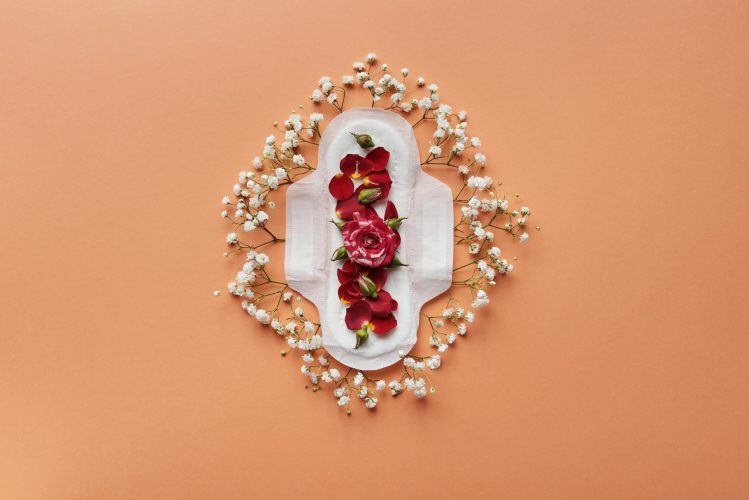
Your menstrual cycle isn’t just a monthly inconvenience – it’s a natural rhythm that offers insight into your overall health and wellbeing. From a Traditional Chinese Medicine (TCM) perspective, the cycle mirrors the changing seasons, each phase bringing its own energetic shifts and needs. Rather than pushing through or ignoring these changes, tuning in allows you to care for yourself more gently and effectively.
In this article, we explore the four key phases of the menstrual cycle, what they mean from both a biomedical and TCM perspective, and how you can support yourself with practical, nourishing self-care throughout each stage.
Phase 1: Menstruation – Blood Phase Phase (Days 1–5)
What’s Happening:
Menstruation marks the beginning of the cycle. Hormone levels – particularly oestrogen and progesterone – drop, and the uterine lining is shed.
Common Symptoms:
-
Fatigue or a need to withdraw
-
Lower abdominal or back discomfort
-
Heightened sensitivity or emotional vulnerability
Self-Care Tips:
-
Rest when you can: Honour your body’s need to slow down. Carving out even short periods of rest can make a big difference.
-
Eat warming, blood-nourishing foods: Soups, slow-cooked meals, and broths help rebuild energy (Qi) and support Blood.
-
Use heat packs or warm baths: These can help ease cramps or feelings of stagnation in the lower abdomen.
-
Gentle movement only if it feels right: Think restorative yoga, walking, or simply doing nothing.
TCM View:
In Chinese Medicine, this is a time of downward movement and letting go. The body’s Qi and Blood are in flux, and supporting smooth flow is essential to avoid stagnation (which can contribute to cramping or clotting).
Phase 2: Follicular Phase – Yin Phase (Days 6–13)
What’s Happening:
After your period ends, oestrogen gradually rises. The body begins preparing for ovulation by maturing ovarian follicles.
How You Might Feel:
-
Energy and mental clarity begin to return
-
You may feel more optimistic, sociable, or creatively inspired
Self-Care Tips:
-
Try new things: This is a great time to set intentions or start new routines.
-
Eat fresh, nourishing food: Support the build-up of Blood and Yin with leafy greens, lean proteins, and grains like millet or brown rice.
-
Move your body: With rising Yang energy, moderate exercise feels easier and more enjoyable.
TCM View:
This phase is associated with Liver and Spleen function. Supporting Blood production and a smooth flow of Liver Qi can help the body transition smoothly into ovulation.
Phase 3: Ovulation – Yang Phase (Around Day 14)
What’s Happening:
The dominant follicle releases an egg. Oestrogen peaks, and luteinising hormone (LH) surges.
How You Might Feel:
-
Increased libido
-
Confidence and sociability at a high
-
Energy feels vibrant
Self-Care Tips:
-
Connect with others: If you feel like socialising or collaborating, follow that impulse.
-
Stay grounded: While energy is high, a short daily mindfulness practice can help avoid burnout.
-
Eat well: Focus on zinc, B vitamins, and healthy fats to support hormone balance and ovulatory function.
TCM View:
Ovulation corresponds with the height of Yang energy. The body is full of vitality and outward movement. Supporting Kidney and Liver function here can ensure the smooth release of the egg and optimal fertility (whether you’re trying to conceive or not).
Phase 4: Luteal Phase – Qi Phase (Days 15–28)
What’s Happening:
Progesterone rises to prepare the body for a potential pregnancy. If conception doesn’t occur, both progesterone and oestrogen levels drop, leading back into menstruation.
Common Symptoms:
-
Mood changes or irritability
-
Breast tenderness or bloating
-
Cravings and disrupted sleep
Self-Care Tips:
-
Slow down your schedule: Notice when your energy starts to dip and pull back where you can.
-
Support digestion and mood: Magnesium-rich foods like leafy greens, bananas, and dark chocolate can help.
-
Nurture your emotions: Journalling, nature walks, or time spent in quiet reflection can be especially nourishing now.
TCM View:
This is a time where Liver Qi stagnation is more likely, particularly if stress is high. Supporting the Liver and Spleen helps regulate emotions and prevent PMS-related symptoms. Acupuncture during this phase can be particularly beneficial for easing irritability, anxiety, or breast discomfort.
Supporting the Whole Cycle with Chinese Medicine
At any stage of your cycle, acupuncture and Chinese herbal medicine can support hormonal balance, emotional wellbeing, and menstrual comfort. Whether you experience painful periods, irregular cycles, mood swings, or simply want to optimise your health, working with a qualified Chinese Medicine practitioner can help you understand your body’s natural rhythms more deeply.
Final Thoughts
Your menstrual cycle is not something to be dreaded or suppressed – it’s a powerful rhythm that reflects your internal state. When we begin to live in tune with these natural phases, rather than fighting against them, self-care becomes intuitive, healing, and deeply empowering.
You don’t need to do it perfectly. Even small shifts – resting more during your period, planning social events around ovulation, or prioritising sleep before your period – can help you feel more connected and resilient throughout the month.
Ready to work with your cycle, not against it?
If you’re looking for support with painful periods, irregular cycles, PMS, or simply want to feel more in sync with your body, we’re here to help. Book an appointment with Maya or one of our experienced practitioners today – and take the next step toward balanced, empowered wellbeing.
👉 Book your appointment with Maya today.
Together, we’ll make sense of your symptoms and create a treatment plan that truly supports your body.
 About Maya
Maya is a nationally registered acupuncturist with specialised training in Chinese medicine for women’s health.
She offers warm, practical care for period problems, hormonal imbalance, and fertility, using a holistic approach to uncover and treat the root causes of her patients’ health concerns. With extensive training in women’s health, fertility, dermatology, and cosmetic acupuncture, Maya blends traditional wisdom with modern integrative care.
She empowers patients to understand their bodies, make sustainable health choices, and achieve lasting wellness. Maya is available for appointments every Thursday and Friday at Centre of Health.