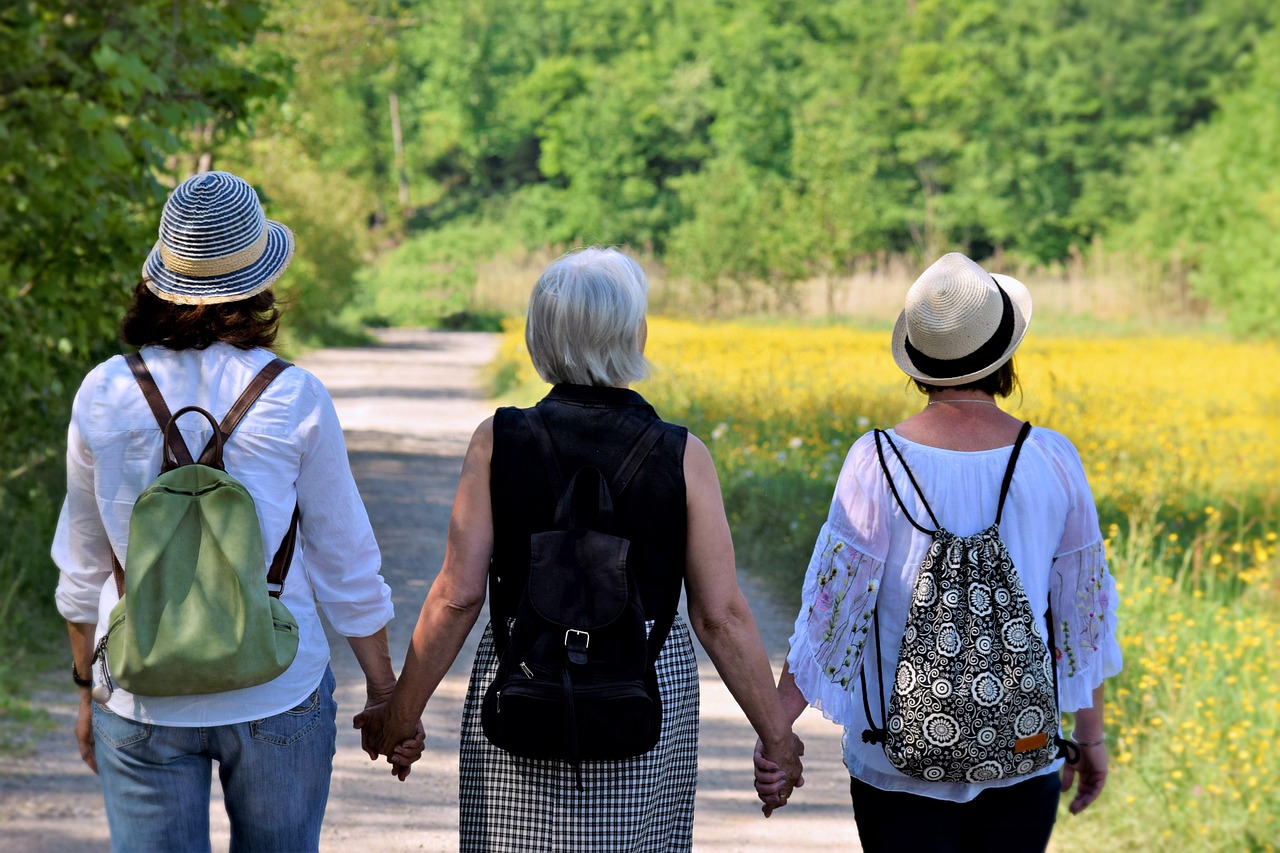
If you’re aged 45+, no doubt peri/menopause related advertisements and product testimonials are hitting your social media feeds pretty hard. Seems like everyone is talking about it! It makes me wonder about women in previous generations, suffering in silence while experiencing all the weird symptoms related to this phase of life. It’s great that there is more support for women these days. In this blog, I’ll cover some key bits about this transitional period and offer a few suggestions for how acupuncture and Chinese herbal medicine can potentially support you.
But before I go on, let me introduce myself. I’m Kim Mitchell, a new face at the Centre of Health in Ivanhoe. I’m a qualified Acupuncturist and Practitioner of Traditional Chinese Medicine. I love the deeply practical nature of Chinese Medicine and how its tried and tested wisdom can support people’s health in modern life. I’m happy to have joined the team and am keen to meet you! You’ll find me treating at the clinic on Tuesday evenings and Saturdays. 😊
Now, back to the blog…
Perimenopause and menopause are major hormonal transitions in a woman’s life that can affect the whole body, not just the reproductive organs. While some women experience few uncomfortable symptoms during this transition, many find that this time of life comes with physical, emotional and mental changes that can impact their quality of life and sense of physical and emotional wellbeing.
🌀 So, What Is Perimenopause and Menopause?
- Perimenopause is the lead-up to menopause, typically starting in the mid-to-late 40s, where hormonal fluctuations begin. This stage can last several years (the average is 7). Sigh.
- Menopause is reached when a woman hasn’t had a menstrual period for 12 consecutive months, usually between the ages of 45 and 55 (average age is about 50-51). After this point, ‘post-menopausal’ is the term used.
🔥 Common Symptoms Experienced During Perimenopause and Menopause
Symptoms vary quite a bit between women, but can include:
- Irregular periods
- Hot flushes and night sweats
- Mood swings, depression and anxiety
- Disrupted sleep and insomnia
- Vaginal dryness
- ‘Brain fog’ or forgetfulness
- Weight gain, changes in metabolism, change in body shape
- Decreased libido
- Joint pain
- Loss of bone density
🩺 Conventional Treatments for Peri/Menopause
Western medicine provides various treatments to help manage menopause symptoms:
- Hormone Replacement Therapy (HRT, now also referred to as MRT – Menopausal Hormone Therapy): this is the most common treatment. HRT replaces lost oestrogen to reduce hot flushes, prevent bone loss, and improve mood. It’s often prescribed under the supervision of a GP.
- Low-dose antidepressants: these are sometimes prescribed off-label for mood changes and hot flushes.
- Vaginal oestrogen creams or lubricants for dryness and discomfort.
- Lifestyle interventions: These can include diet changes, exercise, smoking cessation, and stress reduction to support overall health during menopause.
🌿 Traditional Chinese Medicine (TCM) and Acupuncture for Support during Peri/Menopause
TCM has a long history of treating gynaecological issues. The classical text, Yellow Emperor’s Classic of Internal Medicine, talks about the stages of life evolving in 7 year cycles. For example, at the age of 14, the Tian Gui (Heavenly Essence) arrives, marking the start of a girl’s menstruation. By the seventh seven-year cycle (49) the Tian Gui is exhausted, roughly mirroring the average age of menopause. TCM views this as a natural process, not as a disease.
The symptoms that women present with during peri/menopause are understood in TCM as the result of imbalances, or patterns of disharmony, which are occurring in the context of the decline of Tian Gui. Imbalances may exist of Yin, Yang, Qi or Blood. This isn’t a one-size-fits-all situation and the treatments offered reflect this.
TCM Treatments for Peri/Menopause Can Involve:
- Acupuncture: specific points can be used to regulate hormones, ease stress, and improve sleep.
- Chinese herbal formulas: these can be prescribed to address the imbalances of Yin, Yang, Qi and Blood mentioned above. Formulas are prescribed for your particular pattern of disharmony.
- Dietary advice and suggestions for food therapy: Encourages eating foods that will help you to manage your pattern (eg. if you’re feeling that heat rising, it’s probably not the time to be tucking into chilli dishes).
- Lifestyle practices: whatever your symptoms, they are likely to be aggravated by high levels of stress. Regular exercise, taking up a practice like Qigong, Tai Chi or yoga, walking and doing breathing exercises can support you in restoring equilibrium and reducing stress. Movement really can be medicine.
🤔 Why Choose TCM and Acupuncture for Peri/Menopause?
- Non-hormonal support for those unable or not so keen to take HRT
- Holistic treatment that addresses mind, body, and emotional health. You’re going through a transition, which can involve challenges, and a treatment that is calming and centring can support you during this.
- Customised care and bespoke treatment This is the great thing about acupuncture and TCM – any treatment is customised to the individual. This is important, given every woman’s experience of peri/menopause can vary so much.
🤝 Can You Combine Conventional and Chinese Medicine for Peri/Menopause?
Of course — for some women, integrative care is found to be most effective in supporting them through this transition.
- Acupuncture may enhance the effects of HRT or help reduce dosage.
- Herbal medicine may offer relief from symptoms not fully addressed by pharmaceuticals.
- Combined care supports physical and emotional symptoms.
🧘♀️ Final Thoughts: menopausal transition as an opportunity for change and growth
It is not by accident that I’m posting this blog on the eve of the winter solstice – a big transitional period in the year when we reach its darkest and deepest Yin point. In TCM, even the deepest Yin has the seed of Yang, just as the darkest part of the year precedes the emergence of light. Perimenopause and menopause are personal experiences, and although challenging, they can offer opportunities to revisit priorities, find new motivation and potentially re-narrate our lives and the course that they are to follow.
Treatment-wise, there is no one-size-fits-all approach, and whether you choose conventional medicine, TCM, or a combination of both, the goal is the same: to move through this life phase feeling supported, resilient and in balance.
📚 References
- Jean Hailes for Women’s Health. “Menopause: Signs, symptoms and treatment.” https://www.jeanhailes.org.au
- The Royal Australian College of General Practitioners (RACGP). “Managing menopause in general practice.” https://www.racgp.org.au
- Australian Journal of Acupuncture and Chinese Medicine. 2023.“Acupuncture and Chinese Medicine in the Management of Menopausal Symptoms.” Vol 17.
- Australasian Menopause Society. “Treatment Options for Menopausal Symptoms.” https://www.menopause.org.au
- Maciocia, G. 2011. Obstetrics and Gynaecology in Chinese Medicine. Elsevier, Edinburgh.
- Saunders, N.C. & Berry, K. 2021. ‘Evidence Summary – Menopausal Symptoms’. Evidence-Based Acupuncture. https://www.evidencebasedacupuncture.org/acupuncture-menopause/
About the author
Kim Mitchell is a qualified Acupuncturist and Practitioner of Traditional Chinese Herbal Medicine. She is registered with AHPRA and a member of the Australian Acupuncture & Chinese Medicine Association. She has a special interest in mid-life health, women’s health and treating digestive issues and pain. Her background in chronic injury and illness rehabilitation, coupled with her experience as an accredited yoga teacher, have instilled in her the importance of whole person healing.