
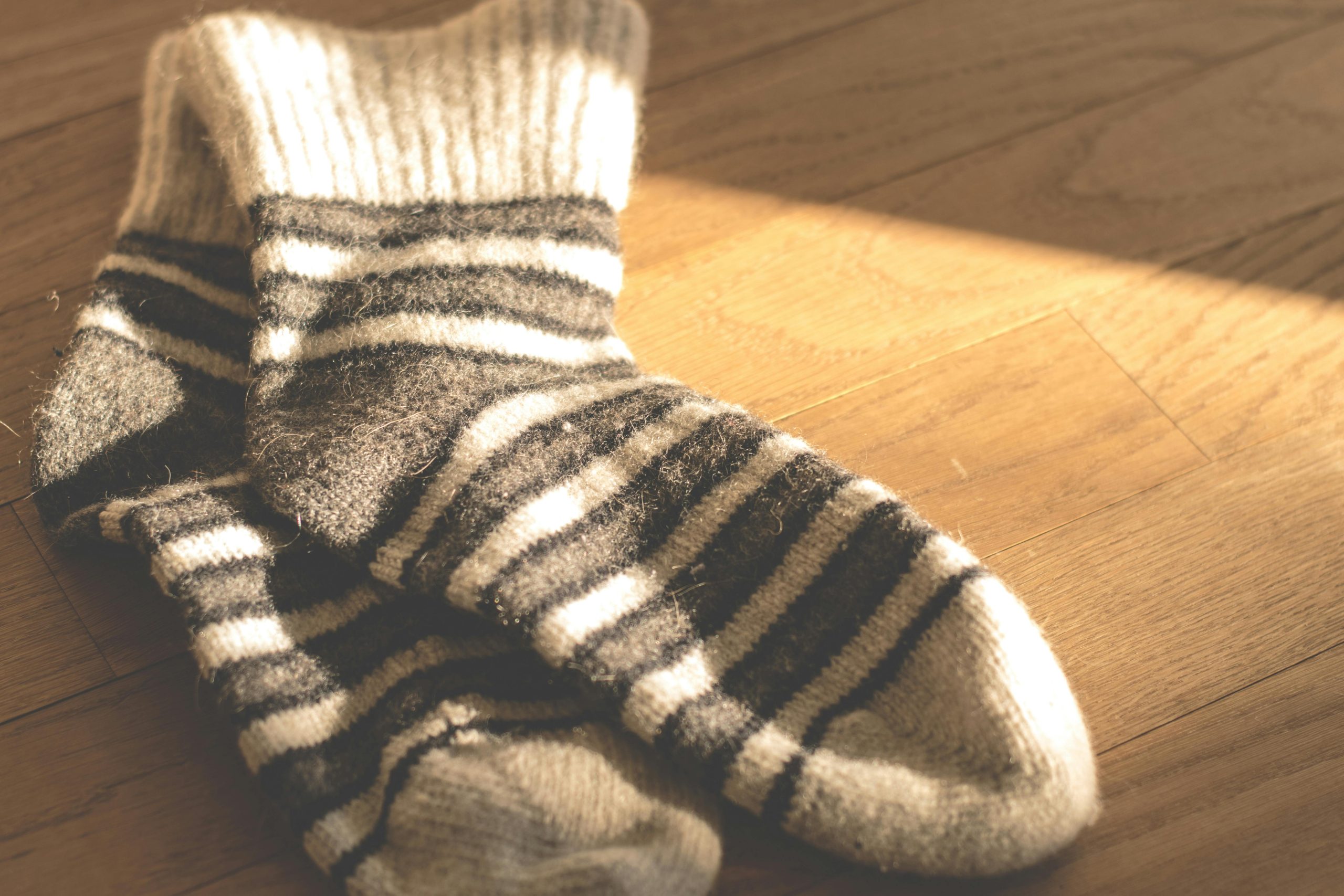
As we move through the final days of autumn, with sunny afternoons still lingering despite the chill creeping in, many of us are beginning to feel the subtle signs of seasonal change. Winter may be just around the corner, but our bodies are already starting to shift — adjusting to cooler mornings, shorter days, and the need for deeper rest and warmth. The transition between seasons can bring a unique set of challenges. Fatigue, lowered immunity, seasonal colds, stiff joints and emotional lulls are all common at this time of year.
Traditional Chinese Medicine (TCM), including acupuncture and herbal support, offers an effective and holistic way to prepare the body and mind for winter. At Centre of Health Ivanhoe, we often see a rise in seasonal ailments around this time, and we encourage our community to see winter not as something to endure, but as an opportunity — a season of restoration, reflection and deep nourishment.
🌿 The Seasonal Shift: What Happens in the Body?
From a TCM perspective, each season is linked to specific organ systems, elements and emotions. Autumn is connected to the Lungs and Large Intestine, while winter is governed by the Kidneys and Bladder — organs that play a vital role in our energy reserves and immunity.
As we move into winter, the body naturally begins to contract and conserve energy. Yin (cool, still energy) dominates Yang (warm, active energy). This can lead to:
- Greater susceptibility to colds and flu
- Dry skin, sluggish digestion or constipation
- Stiff joints and tight muscles
- Fatigue or difficulty waking in the morning
- Lowered mood or emotional withdrawal
While these changes are natural, they can become problematic if the body isn’t in balance.
🪷 How Chinese Medicine Supports the Seasonal Transition
Chinese medicine encourages prevention — supporting the body before symptoms set in. Acupuncture and Chinese herbal medicine help regulate energy (Qi), balance Yin and Yang, and boost your internal defences.
At Centre of Health Ivanhoe, we support clients by:
- Enhancing immunity through Lung and Kidney support
- Improving circulation to warm the body and ease stiffness
- Regulating digestion to maximise nutrient absorption
- Balancing mood and emotions through nervous system regulation
- Reducing inflammation and improving sleep quality
Our physiotherapy team plays a key role in winter wellness too. Cold weather often causes existing musculoskeletal issues to flare up — especially conditions like arthritis, chronic pain, and postural tension from increased time indoors. Physiotherapy helps by:
- Releasing tight muscles and fascial restrictions
- Restoring joint mobility and reducing stiffness
- Supporting recovery from injuries aggravated by the cold
- If you’re feeling the seasonal shift or want to proactively care for your health, book an appointment online with our team of experienced practitioners.
💧 Winter and the Kidneys: The Root of Vitality
In TCM, winter belongs to the Kidney organ system, which stores our deepest energy reserves — known as Jing. The Kidneys are associated with longevity, reproduction, bone health and the adrenal system.
When Kidney Qi is depleted or unbalanced, you might notice:
- Lower back or knee pain
- Cold hands and feet
- Frequent urination
- Poor memory or concentration
- Anxiety, low mood or fearfulness
Emotionally, winter is a time of introspection and stillness. Fear is the emotion linked to the Kidneys, and when this system is well-supported, fear transforms into courage, trust and inner strength.
🥣 Diet & Lifestyle Tips to Nourish Your Yin and Conserve Yang
Winter is a time to go inward. To slow down. To listen.
Honouring this seasonal rhythm can help you stay well, grounded and resilient.
🍲 Nourish with Warming, Seasonal Foods
In Chinese dietary therapy, winter is the time to support digestion and warm the body from within. This helps protect your Yang energy and supports Kidney function. Some recommendations include:
- Slow-cooked meals: Casseroles, bone broths, soups and congee are easy to digest and rich in nutrients.
- Root vegetables like sweet potato, pumpkin, parsnip and beetroot help ground and nourish.
- Dark leafy greens, like kale and silverbeet, are packed with minerals to support the Kidneys.
- Whole grains such as oats, brown rice and barley strengthen the Spleen and provide lasting energy.
- Seaweed, black beans and walnuts are excellent for nourishing the Kidneys and storing Jing.
- Warming spices like ginger, cinnamon, cardamom and cloves help improve circulation and prevent cold from entering the body.
- Avoid raw and cold foods, such as salads, cold drinks and smoothies, which can weaken digestion and chill the core.
Need tailored advice on diet or herbal medicine? Book an appointment with one of our practitioners for a personalised treatment plan.
🛋️ Stay In, Rest Up and Don’t Feel Guilty About It
Ever feel like curling up at home under a blanket with a hot cuppa and doing absolutely nothing — but then talk yourself out of it because it feels lazy?
Well, here’s your permission slip: according to Traditional Chinese Medicine, winter is the season to rest, recharge and retreat.
In fact, the ancient TCM text The Yellow Emperor’s Classic of Medicine — written over 2,000 years ago — says that during winter we should “go to bed early and rise late… wait for the sun to shine.”
Winter is a Yin season. It’s a time for stillness, slowing down and conserving your energy. Nature is resting, and so should you.
So ditch the guilt, cancel a few plans, and lean into a slower rhythm. Early nights, slow mornings and quiet evenings with tea, books or journalling are not only allowed — they’re encouraged. This is how we build our reserves and emerge into spring energised and well.
🧘 Gentle Movement & Qi Cultivation
It’s important to keep the body gently active during winter without exhausting your reserves. In TCM, we aim to cultivate Qi without dispersing it — this means slow, intentional movement that strengthens rather than depletes.
We recommend Qi Gong, a gentle, meditative movement practice that supports circulation, balance and internal awareness.
🧘♂️ Join our weekly Qi Gong class
Every Wednesday at 9:30am, join Matt for an inviforating Qi Gong session at Centre of Health Ivanhoe. This class is suitable for all levels and is a wonderful way to keep your energy flowing throughout winter.
🧠 The Emotional Energy of Winter
In Chinese medicine, emotions are not separate from physical health. Winter’s inward energy invites us to reflect and build inner reserves — but it can also bring emotional heaviness or loneliness if we’re out of sync.
Acupuncture can support emotional wellbeing by calming the nervous system, improving sleep and regulating Qi. Herbal medicine can also assist in shifting stagnation, calming the mind and lifting mood naturally.
If you’re feeling emotionally off or energetically flat, a seasonal treatment could help restore your balance.
🌟 Benefits of Acupuncture in Winter
Regular treatments during winter can help you:
- Strengthen your immune system
- Reduce frequency of colds or flu
- Improve circulation and reduce stiffness
- Support reproductive and hormonal health
- Sleep better and manage stress
- Feel grounded, calm and energised
Whether you’re looking to maintain your health or address specific issues, winter is the perfect time to invest in your wellbeing.
Book an appointment today and let us help you feel your best this season.
 About Maya
Maya Amhaz is a dedicated practitioner of Traditional Chinese Medicine at Centre of Health Ivanhoe, known for her integrative approach that blends classical Chinese wisdom with modern health insights. She has a particular interest in reproductive and menstrual health, dermatology, and cosmetic acupuncture, and is passionate about supporting clients through all stages of life with treatments that are both evidence-informed and deeply holistic.
Learn more about Maya